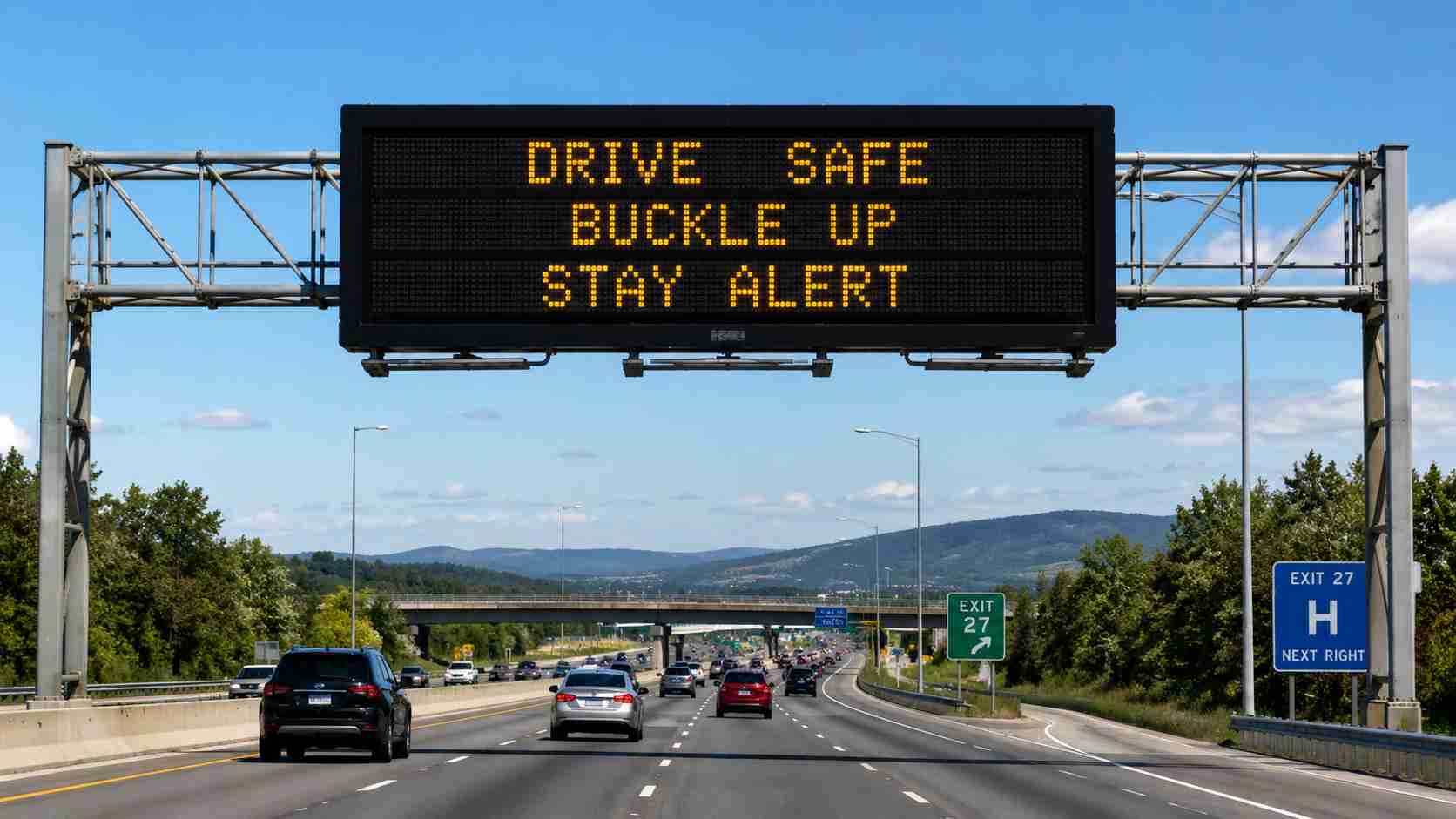
Variable message signs are one of the most important tools used in modern traffic management systems. From highways and construction zones to smart cities and emergency alerts, these digital road signs help drivers stay informed, safe, and prepared while traveling. Whether you’ve seen flashing traffic warnings on busy roads or electronic speed limit displays near schools, you’ve already experienced the impact of variable message signs in daily life.
In this complete guide, you’ll learn everything about variable message signs, including how they work, their different types, advantages, real-world uses, safety benefits, future trends, and why they are becoming essential in intelligent transportation systems around the world. This SEO-optimized article is written in simple English and designed to provide more value than top-ranking competitors.
What Are Variable Message Signs?
- Variable message signs are electronic traffic signs used to display real-time information.
- These signs help drivers make safer and smarter road decisions.
- Most variable message signs use LED technology for bright visibility.
- They are commonly placed on highways, roads, bridges, and urban streets.
- Transportation departments use them to manage traffic flow efficiently.
- Messages can change instantly depending on road conditions.
- Drivers receive alerts about accidents, weather, or road closures.
- Variable message signs are often called VMS signs or dynamic message signs.
- These systems improve communication between road authorities and drivers.
- Many signs display travel times and estimated delays.
- They are widely used in smart transportation systems.
- Some signs include symbols, arrows, and animated warnings.
- Modern VMS technology supports remote operation and monitoring.
- Solar-powered variable message signs are becoming increasingly popular.
- Emergency services also rely on these digital traffic systems.
- Variable message signs reduce confusion during road construction.
- These signs help prevent traffic congestion in busy cities.
- Governments invest heavily in intelligent road signage systems.
- The technology continues evolving with smart city infrastructure.
- Variable message signs improve both safety and traffic efficiency.
How Variable Message Signs Work
- A central traffic management system controls most VMS displays.
- Operators can update messages remotely in seconds.
- LED screens provide clear visibility during day and night.
- Sensors collect live traffic and weather data from roads.
- Cameras and monitoring systems help identify road incidents.
- Software automatically changes messages based on conditions.
- Wireless communication networks connect the signs to control centers.
- Some systems use AI technology to predict traffic patterns.
- GPS and mapping tools improve real-time road information.
- Solar panels power portable variable message signs in remote areas.
- Traffic authorities monitor all sign activity continuously.
- Emergency alerts can override normal traffic messages instantly.
- Dynamic signs can display text, symbols, and flashing warnings.
- Cloud-based systems improve flexibility and response times.
- Drivers receive important updates before reaching dangerous areas.
- Smart sensors help reduce delays and traffic confusion.
- Data analysis improves future traffic planning strategies.
- Road agencies test sign visibility for maximum effectiveness.
- Portable signs are easy to move between construction sites.
- Variable message signs operate 24 hours a day for public safety.
Types of Variable Message Signs
- Fixed variable message signs stay permanently installed on highways.
- Portable VMS signs are used in temporary road projects.
- Full matrix signs display custom messages and graphics.
- Line matrix signs show text in fixed rows and columns.
- Mobile trailer signs can be transported easily between locations.
- Overhead gantry signs are mounted above major highways.
- Side-mounted signs appear on roadsides and intersections.
- Solar-powered signs reduce electricity costs significantly.
- Radar speed display signs warn drivers about speeding.
- School zone signs improve safety near educational areas.
- Lane control signs help manage highway traffic movement.
- Parking guidance signs direct drivers toward available spaces.
- Emergency evacuation signs assist during disasters and emergencies.
- Weather warning signs alert drivers about dangerous conditions.
- Toll road message signs provide payment and lane information.
- Smart city signs integrate with intelligent traffic systems.
- Railway crossing message signs increase transportation safety.
- Tunnel traffic signs improve driver awareness underground.
- Construction zone signs protect both workers and drivers.
- Digital billboard-style VMS systems can share public announcements.
Benefits of Variable Message Signs
- Variable message signs improve road safety for everyone.
- Drivers can react faster to sudden traffic changes.
- Traffic congestion becomes easier to manage efficiently.
- Real-time warnings help reduce road accidents significantly.
- Construction crews remain safer with advance driver alerts.
- Travel time information helps drivers choose better routes.
- Emergency communication becomes faster and more effective.
- Smart traffic systems improve fuel efficiency for vehicles.
- Drivers experience less stress during traffic delays.
- Electronic signs work well in all weather conditions.
- Road authorities can update messages instantly when needed.
- Portable systems save time during temporary projects.
- Smart signage supports modern intelligent transportation systems.
- Reduced traffic jams lower environmental pollution levels.
- Public awareness improves during severe weather emergencies.
- Better traffic flow supports local business transportation.
- Digital signs provide flexible communication for road agencies.
- Schools and pedestrians benefit from improved traffic awareness.
- Variable message signs reduce confusion in unfamiliar areas.
- Cities become smarter and safer with advanced road technology.
Common Uses of Variable Message Signs
- Highway departments use VMS signs for accident warnings.
- Construction companies display detour and lane closure messages.
- Airports use digital signs for parking and traffic directions.
- Sports events rely on VMS systems for crowd management.
- Emergency responders share evacuation instructions during disasters.
- Cities display travel times during rush hour traffic.
- Schools use flashing signs to improve child safety.
- Toll roads communicate payment and lane instructions.
- Smart cities manage urban traffic with digital road systems.
- Bridges and tunnels display weather and safety alerts.
- Rail crossings warn drivers about approaching trains.
- Parking garages use VMS technology to show available spaces.
- Government agencies communicate public safety messages quickly.
- Temporary signs guide traffic during road maintenance projects.
- Tourist destinations provide navigation and visitor information.
- Large festivals use portable message signs for crowd control.
- Hospitals use traffic systems to direct emergency vehicles.
- Freight companies benefit from improved route management.
- Police departments display public emergency warnings instantly.
- Weather alerts help drivers prepare for dangerous road conditions.
Variable Message Signs and Road Safety
- Digital warnings help drivers slow down before hazards.
- Accident risks decrease when drivers receive advance alerts.
- Lane closure messages prevent sudden traffic confusion.
- Speed reminder signs encourage safer driving behavior.
- School zone signs protect children during busy hours.
- Emergency notifications improve driver reaction times.
- Drivers can avoid dangerous weather conditions earlier.
- Better communication reduces panic during emergencies.
- Traffic management teams respond faster to road incidents.
- Construction workers remain safer with visible warnings.
- Reduced congestion lowers the risk of secondary accidents.
- Real-time updates help drivers make smarter decisions.
- Flashing signs attract driver attention effectively.
- Safety campaigns can be displayed during holidays and events.
- Intelligent systems reduce human communication errors.
- Road closures become easier to understand for travelers.
- Variable message signs improve nighttime driving awareness.
- Tunnel safety increases with electronic guidance systems.
- Dynamic speed limits help control traffic flow safely.
- Public trust improves with reliable traffic communication.
Smart City Technology and Variable Message Signs
- Smart cities depend heavily on intelligent traffic systems.
- Variable message signs connect with urban data networks.
- AI technology improves traffic prediction accuracy.
- Sensors provide real-time information across city roads.
- Smart traffic lights often work together with VMS systems.
- Public transportation updates appear on digital road signs.
- Cities use analytics to improve traffic management strategies.
- Connected infrastructure improves transportation efficiency.
- Emergency services benefit from faster communication tools.
- Drivers receive more accurate travel information instantly.
- Smart parking systems guide drivers toward available spaces.
- Urban congestion decreases with intelligent road technology.
- Data collection supports future city planning projects.
- Energy-efficient LED systems reduce operational costs.
- Remote monitoring simplifies traffic management operations.
- Variable message signs support autonomous vehicle technology.
- Cloud-based systems improve flexibility and performance.
- Smart cities prioritize road safety through digital innovation.
- Real-time communication improves overall urban mobility.
- Future transportation systems will rely even more on VMS technology.
Portable Variable Message Signs for Construction Zones
- Portable VMS signs are easy to transport and install.
- Construction crews use them for temporary traffic control.
- Drivers receive advance warnings before entering work zones.
- Solar-powered trailers reduce energy costs significantly.
- Portable signs improve worker safety during road repairs.
- Messages can be updated quickly when conditions change.
- Detour instructions reduce confusion around construction projects.
- Bright LED displays improve nighttime visibility.
- Contractors rely on portable systems for flexible communication.
- Emergency road closures become easier to manage.
- Traffic delays can be communicated instantly to drivers.
- Wireless systems allow remote operation from control centers.
- Portable signs help prevent speeding near construction areas.
- Temporary traffic management improves overall road safety.
- Durable designs withstand harsh outdoor environments.
- Government projects often require portable warning systems.
- Radar speed displays encourage safer driver behavior.
- Portable VMS units support event traffic management too.
- Fast setup saves valuable time during emergencies.
- Modern portable systems include smart monitoring features.
Future Trends in Variable Message Signs
- AI-powered systems will improve traffic predictions further.
- Smart cities will continue expanding VMS infrastructure.
- Autonomous vehicles may communicate directly with digital signs.
- Solar energy technology will become more efficient.
- 5G networks will improve real-time traffic communication.
- Interactive road signs could personalize driver information.
- Voice-enabled systems may assist drivers in the future.
- Cloud-based traffic management will become more common.
- Advanced analytics will optimize road safety strategies.
- Dynamic speed control systems will grow rapidly worldwide.
- Eco-friendly materials will improve sign sustainability.
- Machine learning will help reduce traffic congestion.
- Digital signage integration will expand across transportation networks.
- Future systems may include multilingual traffic messages.
- Smart roads will rely heavily on connected communication systems.
- Real-time weather integration will improve travel safety.
- Augmented reality could enhance driver navigation experiences.
- Cities will invest more in intelligent transportation technology.
- Cybersecurity protection will become essential for traffic systems.
- Variable message signs will remain vital in modern transportation.
Challenges of Variable Message Signs
- Installation costs can be expensive for some cities.
- Regular maintenance is necessary for long-term performance.
- Weather conditions may affect visibility occasionally.
- Technical failures can disrupt traffic communication temporarily.
- Cybersecurity threats remain a growing concern.
- Power outages may impact electronic sign operation.
- Drivers may ignore repeated warning messages over time.
- Some systems require advanced software management.
- Older infrastructure may struggle with smart technology integration.
- Portable signs can be vulnerable to vandalism.
- Incorrect messaging may create driver confusion.
- Traffic agencies need trained operators for effective management.
- Large systems require strong communication networks.
- High-quality LED displays increase initial project costs.
- Environmental conditions may damage electronic components.
- Sign placement must follow strict transportation guidelines.
- Updating outdated systems can become costly.
- Heavy traffic areas require constant monitoring and support.
- Data privacy concerns may arise with smart traffic systems.
- Continuous innovation is necessary to keep systems effective.
Best Practices for Using Variable Message Signs
- Messages should remain short and easy to understand.
- Brightness levels must adjust based on daylight conditions.
- Signs should be placed where drivers can react safely.
- Emergency alerts need clear and direct wording.
- Traffic authorities should update messages regularly.
- Regular maintenance keeps systems reliable and visible.
- Standardized symbols improve driver understanding.
- Portable signs should remain stable during severe weather.
- Testing visibility helps improve communication effectiveness.
- Smart software improves traffic management efficiency.
- Operators should avoid displaying unnecessary information.
- Safety warnings should always receive highest priority.
- Backup power systems improve reliability during outages.
- Drivers respond better to concise digital messages.
- Transportation teams should monitor traffic patterns constantly.
- Proper training improves overall sign management quality.
- Real-time updates increase driver trust and cooperation.
- Solar-powered systems reduce operational expenses long-term.
- AI integration can improve predictive traffic management.
- Consistent communication improves road safety for everyone.
FAQs
What are variable message signs used for?
Variable message signs are used to provide real-time traffic information, safety warnings, travel updates, weather alerts, and emergency instructions to drivers on roads and highways.
What is another name for variable message signs?
Variable message signs are also known as dynamic message signs, electronic traffic signs, or VMS signs.
How do variable message signs improve road safety?
They improve safety by warning drivers about accidents, lane closures, bad weather, traffic delays, and dangerous road conditions before drivers reach those areas.
Are variable message signs powered by solar energy?
Yes, many portable and modern variable message signs use solar panels to reduce electricity costs and improve sustainability.
Where are variable message signs commonly installed?
They are commonly installed on highways, city roads, bridges, tunnels, school zones, construction areas, parking systems, and smart city transportation networks.
Conclusion
Variable message signs have become an essential part of modern transportation systems. These intelligent digital signs help improve road safety, reduce traffic congestion, support emergency communication, and create smarter cities. From construction zones and highways to smart urban infrastructure, VMS technology continues transforming the way drivers receive information in real time.
As transportation systems evolve, the role of variable message signs will become even more important. Advances in AI, smart city technology, and connected infrastructure will continue improving traffic communication, efficiency, and safety worldwide. Governments, businesses, and transportation agencies increasingly rely on these systems to create safer and more efficient roads for everyone.