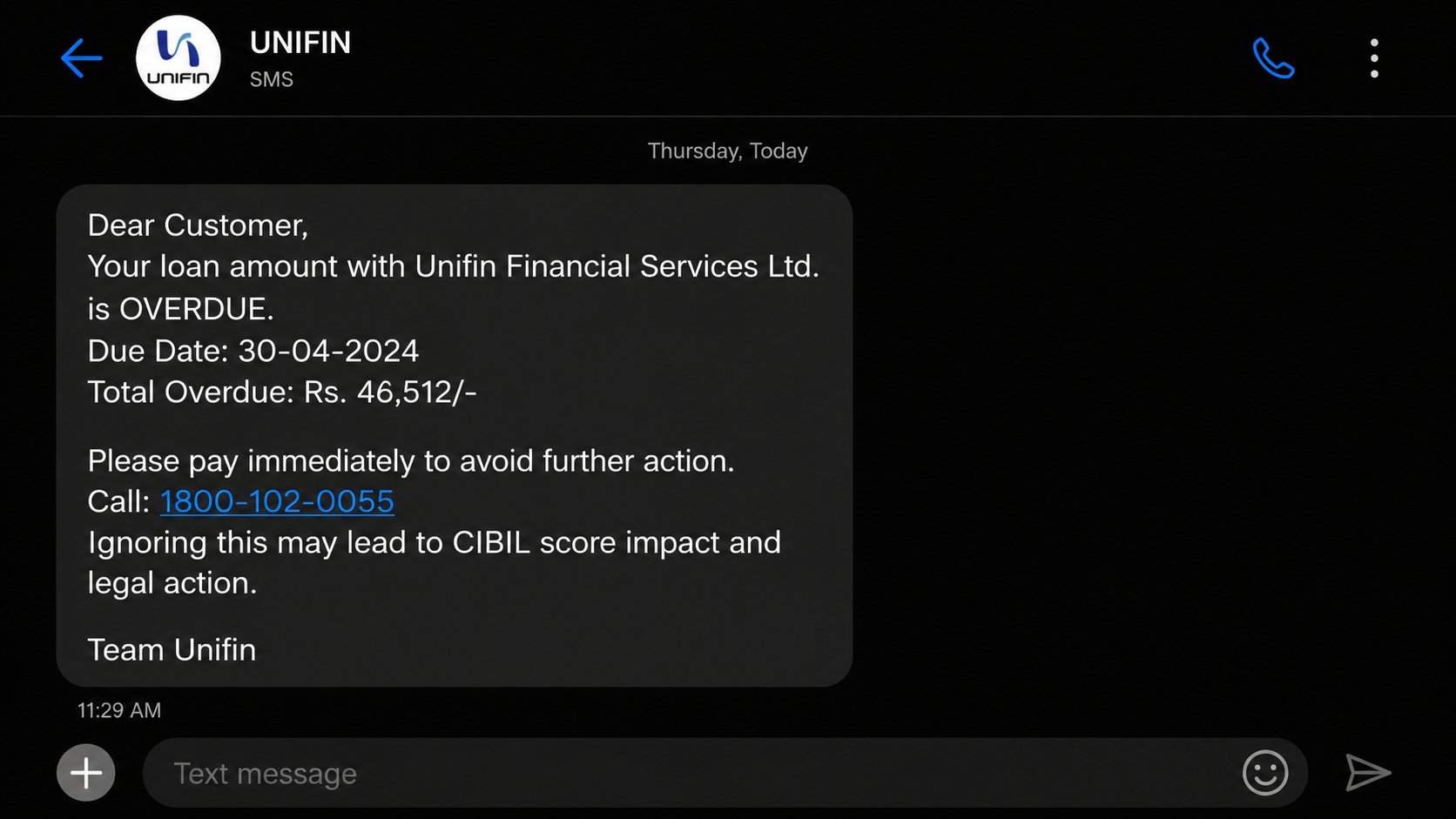
Receiving an unexpected Unifin debt collector text message can feel stressful and confusing, especially when you are unsure whether the message is real or a possible scam. Many people receive collection texts and immediately worry about their finances, credit score, or personal information.
However, understanding how debt collection messages work can help you make better decisions. A legitimate collection message usually includes information about a debt, a company name, and ways to contact the collector. At the same time, scammers may also pretend to be debt collectors to trick people into sharing private details or making payments.
This complete guide explains what a Unifin debt collector text message means, how to identify genuine messages, what steps to take, and how to protect yourself from fraud.
What Is a Unifin Debt Collector Text Message?
- A Unifin debt collector text message is a message related to debt collection communication.
- It may inform someone about an unpaid account or outstanding balance.
- These messages are usually sent to encourage contact with the collection company.
- A collection text may include a phone number or website.
- Some messages ask the recipient to verify account information.
- The purpose is usually to discuss repayment options.
- Debt collectors often use multiple communication methods.
- Text messages are becoming a common collection method.
- A message does not automatically mean it is a scam.
- However, every collection message should be checked carefully.
- Legitimate collectors should provide identifying information.
- A real company should allow you to request debt details.
- Collection messages may relate to medical, credit, or financial accounts.
- Some people receive messages about debts they do not recognize.
- Therefore, verification is important before taking action.
- Avoid making payments before confirming the debt.
- Keep copies of all messages you receive.
- Check whether the company information matches official records.
- Protect your personal and financial information.
- Understanding the message helps reduce unnecessary stress.
Why Did I Receive a Unifin Debt Collector Text Message?
- You may have an unpaid account connected to a previous service.
- The message may relate to an old financial obligation.
- A creditor may have transferred an account to a collection agency.
- Your contact information may be connected to a debt record.
- The message could be a reminder about payment options.
- Sometimes collection agencies contact people after account changes.
- You may receive a message because your phone number was listed previously.
- A debt collector may be attempting to establish communication.
- The message could involve an account you forgot about.
- It may also happen because of outdated records.
- Occasionally, people receive collection messages by mistake.
- Someone else’s information may be linked to your phone number.
- Therefore, never assume the debt belongs to you immediately.
- Review the information before responding.
- Request verification if you do not recognize the account.
- Keep calm and avoid making rushed decisions.
- Check the sender details carefully.
- Look for official contact information.
- Avoid clicking unknown links.
- Take time to understand why you were contacted.
How to Identify a Real Unifin Debt Collection Text Message
- A legitimate message usually identifies the company clearly.
- It may include instructions for contacting the collector.
- The message should not threaten immediate punishment.
- Real collectors typically follow legal communication rules.
- They should provide ways to verify the debt.
- They should not demand unusual payment methods.
- They should avoid asking for sensitive information through text.
- A genuine collector should allow questions.
- The message should not create extreme fear or pressure.
- Check whether the phone number looks suspicious.
- Search official company contact information separately.
- Do not trust links sent through unknown messages.
- Verify details before sharing personal information.
- Compare the message with previous account records.
- Look for professional language.
- Be cautious of spelling mistakes or strange wording.
- Avoid responding to aggressive demands.
- Request written confirmation of the debt.
- Keep communication records.
- Verification is the safest first step.
Signs a Unifin Debt Collector Text Message Could Be a Scam
- The message demands immediate payment.
- It threatens arrest or legal action instantly.
- It asks for gift cards as payment.
- It requests cryptocurrency payments.
- It asks for your Social Security number through text.
- It contains suspicious website links.
- It uses fear to force quick decisions.
- It refuses to provide debt details.
- It has unusual spelling or grammar.
- It comes from a random phone number.
- It pressures you not to contact the company directly.
- It asks for bank information immediately.
- It claims your account will disappear after payment.
- It offers unrealistic settlement deals.
- It refuses verification requests.
- It sends repeated threatening messages.
- It uses fake company names.
- It asks you to keep the conversation secret.
- It demands payment outside normal methods.
- It makes you feel rushed or scared.
What Should You Do After Receiving a Unifin Debt Collector Text Message?
- Read the message carefully before responding.
- Do not panic after receiving the text.
- Save a screenshot of the message.
- Check whether you recognize the debt.
- Contact the company using verified information.
- Ask for debt validation details.
- Confirm the amount being claimed.
- Ask who originally owned the debt.
- Avoid sharing private information too quickly.
- Do not click unknown links.
- Keep communication professional.
- Write down dates and conversations.
- Review your financial records.
- Check your credit reports if needed.
- Consider professional advice for large debts.
- Respond only after verification.
- Avoid emotional reactions.
- Protect your personal information.
- Understand your rights.
- Make decisions based on facts.
How to Respond to a Unifin Debt Collector Text Message
- Ask for written verification of the debt.
- Request the original creditor information.
- Ask for the account details.
- Confirm the company identity.
- Keep your response short and professional.
- Avoid admitting responsibility immediately.
- Do not share unnecessary personal details.
- Ask questions before discussing payment.
- Save all responses for your records.
- Use official communication channels.
- Stay polite during conversations.
- Avoid arguments through text.
- Request clear explanations.
- Ask about available payment options later.
- Confirm everything in writing.
- Take your time before agreeing.
- Review your options carefully.
- Do not let pressure control your decision.
- Protect your financial information.
- Respond only when comfortable.
Common Unifin Debt Collector Text Message Examples
- “Hello, please contact us regarding an account matter.”
- “We are attempting to reach you about your account.”
- “Please contact our office to discuss your account.”
- “You may contact us regarding available payment options.”
- “This message is regarding a possible account balance.”
- “Please call our office for more information.”
- “We would like to discuss your account status.”
- “Contact us to review your account details.”
- “A representative is available to assist you.”
- “Please verify your information regarding this account.”
- “We are reaching out about a financial matter.”
- “You can contact our office for account information.”
- “Please respond regarding this notice.”
- “We are available to answer questions.”
- “Contact us to learn more about this account.”
- “Your account requires attention.”
- “Please speak with a representative.”
- “We would like to discuss possible solutions.”
- “Call us regarding your account.”
- “Please review this important account message.”
How to Stop Unwanted Debt Collection Text Messages
- Block unwanted phone numbers.
- Report suspicious messages.
- Avoid replying to scam texts.
- Contact the company directly if legitimate.
- Ask about communication preferences.
- Keep records of unwanted messages.
- Use your phone’s spam protection features.
- Report fraudulent messages to proper authorities.
- Remove your number from unwanted marketing lists.
- Be careful when sharing phone numbers online.
- Check privacy settings on accounts.
- Avoid opening suspicious links.
- Update your phone security settings.
- Use spam filtering apps carefully.
- Do not confirm personal information.
- Monitor future messages.
- Contact companies through official channels.
- Keep evidence if harassment continues.
- Understand your communication rights.
- Take action instead of ignoring repeated issues.
Your Rights When Receiving Debt Collection Messages
- You have the right to request debt information.
- You can ask questions about the account.
- You can request written communication.
- You have protection from unfair collection practices.
- Collectors should not use abusive language.
- Collectors should not threaten illegal actions.
- You can verify whether the debt is accurate.
- You can dispute incorrect information.
- You can keep records of communication.
- You can ask for clarification.
- You can seek financial guidance.
- You have options before making payments.
- You can review agreements carefully.
- You should not feel forced into decisions.
- You can protect your personal details.
- You can research the company.
- You can report improper behavior.
- You can take time to understand your situation.
- You can make informed choices.
- Knowing your rights provides confidence.
How to Avoid Future Debt Collection Scams
- Protect personal information online.
- Avoid sharing financial details through texts.
- Use strong account passwords.
- Monitor your financial accounts.
- Check credit reports regularly.
- Be careful with unknown messages.
- Avoid clicking suspicious links.
- Verify companies before contacting them.
- Keep your devices secure.
- Update security software.
- Do not trust urgent threats.
- Learn common scam tactics.
- Discuss suspicious messages with trusted people.
- Keep financial documents organized.
- Track your accounts carefully.
- Report scams when necessary.
- Avoid making emotional decisions.
- Stay informed about fraud methods.
- Question unusual requests.
- Always verify before paying.
FAQs
Is a Unifin debt collector text message always real?
No. Some messages may be legitimate, while others could be scams. Always verify the sender and debt information before taking action.
Should I pay after receiving a collection text?
You should not make a payment immediately. First confirm the debt, company details, and payment process.
Can a debt collector contact me by text message?
Yes, debt collectors may use text messages as a communication method, but you should still verify the message.
What if I do not recognize the debt?
Ask for written verification and review the information before accepting responsibility.
How can I know if the message is fake?
Look for threats, urgent demands, suspicious links, unusual payment requests, and requests for private information.
Conclusion
A Unifin debt collector text message can create worry, but understanding how to handle it makes the situation easier. First, stay calm and verify the information before responding. Moreover, protecting your personal details and asking the right questions can help you avoid scams.
Whether the message is legitimate or suspicious, careful action is always the best approach. By learning how debt collection texts work, you can protect yourself, make informed decisions, and handle financial communication with confidence.